Table of Contents
The Ultimate Bakery Waste Tracking Checklist to Stop Flushing Money
Bakeries and coffee shops generate significant waste daily, from unsold pastries to excess packaging materials. Without proper tracking, this waste silently drains profits—up to 5-10% of revenue in many operations. Implementing a waste tracking system identifies leaks and turns them into savings. This checklist provides actionable steps to monitor, measure, and minimize waste, helping owners reclaim lost income through data-driven decisions.
Understanding Waste Categories in Bakery Operations
Before diving into tracking, categorize waste to pinpoint high-impact areas. Food waste tops the list at 40-60% of total discards, followed by packaging at 20-30%, and operational supplies like gloves or bags at 10-15%. Raw ingredients spoil quickly if not managed, while over-portioned dough or batter leads to trim losses. Packaging waste accumulates from damaged boxes or mismatched sizes for baked goods and coffee cups.
Transitioning from identification to action, start by logging daily outputs. A small bakery reduced food waste by 25% after categorizing discards, reallocating surplus to staff meals instead of trash. Similarly, optimizing packaging sizes cut material overuse, proving that targeted tracking yields quick wins.
Key Metrics to Track for Profit Protection
Measure success with simple, consistent metrics: waste weight in kilograms per day, cost per unit wasted (e.g., $ per kg), waste-to-sales ratio (aim for under 3%), and spoilage rate (target less than 2%). Use scales for accuracy and digital sheets for trends. Weekly reviews reveal patterns, like weekend spikes from overproduction.
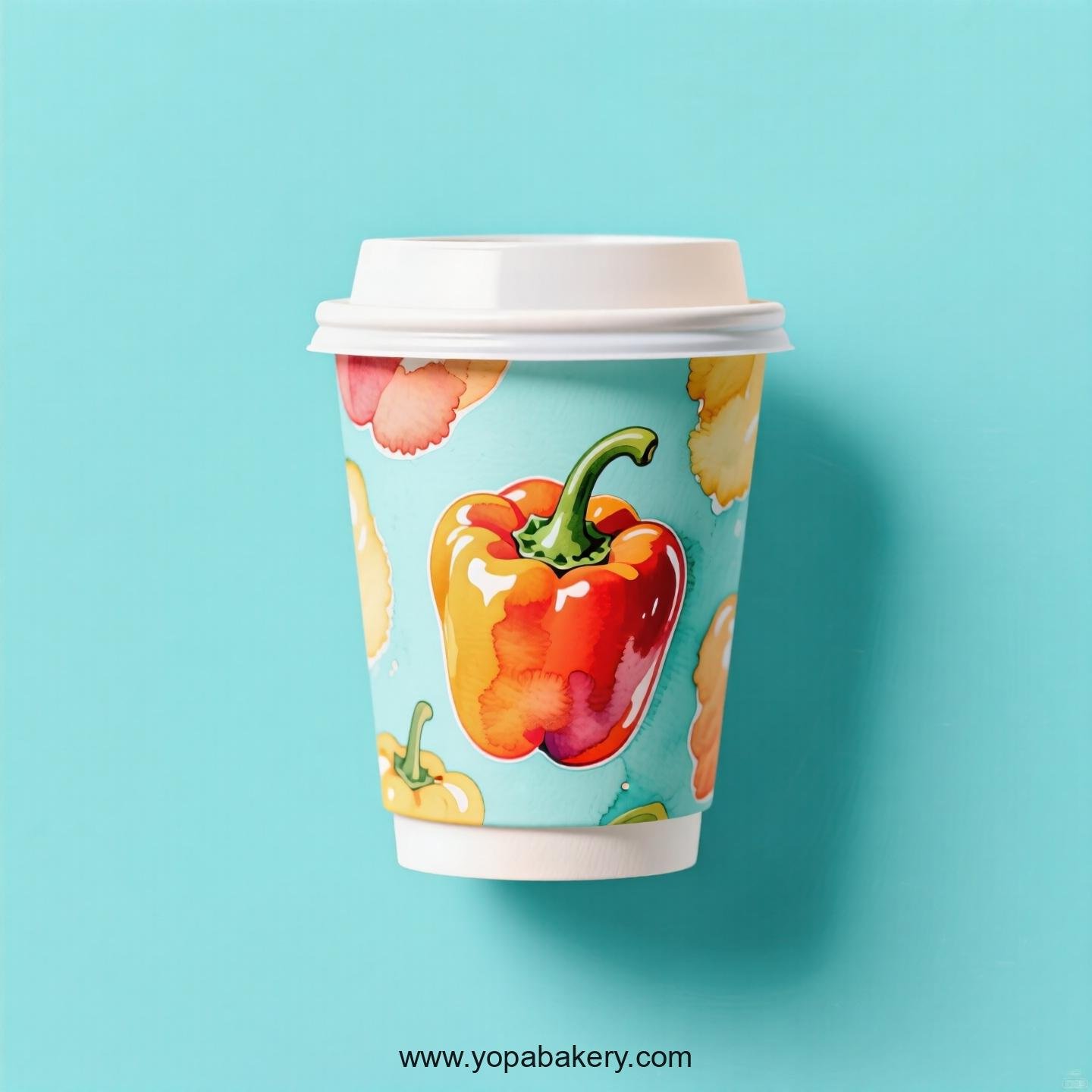
For packaging specifically, track units discarded versus used. Ill-fitting bakery boxes lead to crushing delicate items, while oversized disposable coffee cups waste material and space. Switching to precise-fit options, such as those from YoPaBakery, streamlines this—reducing discards by aligning container sizes with product dimensions.
Implementing the Daily Waste Tracking Routine
Build habits with staff training: designate a waste captain per shift to sort and weigh discards into bins labeled by type. Photograph outliers for review. At shift end, input data into a shared tracker. This routine caught a coffee shop over-brewing by 15%, saving 200 cups monthly.
Integrate supplier audits too. Question deliveries for excess wrapping or short shelf-life items. Negotiate bulk buys only after forecasting demand accurately via past waste data.
The Ultimate Waste Tracking Checklist
- Sort waste at source: Use color-coded bins for food, packaging, liquids, and organics.
- Weigh daily: Record totals by category before disposal.
- Calculate costs: Multiply waste weight by ingredient or material unit price.
- Forecast production: Adjust recipes based on prior day’s waste logs.
- Inventory check-ins: Weekly counts to match against purchases minus sales.
- Portion control: Standardize scoops for dough and fillings; train on visuals.
- Packaging audit: Measure fit for bakery boxes, cups, and bags; reorder mismatches.
- Repurpose surplus: Donate edible waste or compost organics locally.
- Review trends: Monthly meetings to analyze peaks and set reduction goals.
- Tech upgrade: Adopt apps for real-time logging and alerts on thresholds.
Following this checklist sequentially builds momentum. One operation halved packaging waste in three months by routine audits, crediting step 7 for identifying oversized charcuterie boxes unsuitable for grab-and-go displays.
Waste Reduction Table: Benchmarks and Targets
| Waste Type | Average Daily (kg) | Cost per kg ($) | Target Reduction | Action Example |
|---|---|---|---|---|
| Food (pastries, bread) | 5-10 | 2.50 | 30% | Dynamic pricing for nearing-expiry items |
| Ingredients (dough trim, batter) | 2-5 | 1.80 | 40% | Recipe tweaks for zero-waste cuts |
| Packaging (boxes, cups) | 3-7 | 0.90 | 50% | Custom-fit bakery boxes and non-woven bags |
| Liquids (coffee grounds, milk) | 4-8 | 1.20 | 25% | Batch brewing tied to hourly sales |
| Supplies (gloves, bags) | 1-3 | 0.50 | 35% | Bulk dispensers to curb overuse |
This table sets realistic benchmarks drawn from aggregated industry data. Adjust based on your volume—for a 500-unit daily bakery, slashing packaging by 50% equates to $500 monthly savings. Note how custom-fit solutions like YoPaBakery’s disposable coffee cups and charcuterie boxes excel in the packaging row, minimizing voids and damage.
Real-World Case Studies
A mid-sized bakery tracked waste for one month, uncovering 35% losses from mismatched bakery boxes crushing croissants during transport. Switching to snug-fit options dropped this to 8%, boosting sellable inventory. Another coffee shop logged cup waste at 12% from generic sizes; precise disposable cups aligned with drink volumes cut overuse by 40%, per their metrics.
These cases highlight scalability. A high-volume operation integrated the checklist with inventory software, achieving 28% overall waste reduction in six months, translating to $15,000 annual recovery. Staff buy-in was key—rewards for low-waste shifts motivated consistency.
Advanced Tips for Long-Term Savings
Scale up with tech: IoT bins auto-weigh and notify via apps. Partner with recyclers for packaging rebates. Train cross-functionally so all shifts maintain standards. Forecast with seasonality—ramp up tracking before holidays to preempt surges.
Link waste data to purchasing: Auto-adjust orders when spoilage exceeds 1.5%. For packaging, stock non-woven bags for eco-conscious customers, reducing single-use plastic waste while appealing to green demographics.
Sustaining Momentum and Measuring ROI
Quarterly audits validate progress; celebrate milestones like sub-2% spoilage. ROI calculation: (Waste cost pre-tracking minus post) times 365 equals yearly gain. Most see payback in 2-4 months. Consistent tracking not only stops flushing money but builds resilience against rising ingredient costs.
By embedding this checklist, bakeries and coffee shops transform waste from a liability into intelligence, ensuring every gram counts toward profitability.
Last Updated on 2026-04-16 by YOPABakery
Contact Us for Guest Posts or Premium Bakery Supplies
At YoPaBakery, we provide premium packaging and share inspiring stories from the artisan bakery scene across America.
Interested in contributing? Visit our Write For Us page for guest posting opportunities.
If you manage an outstanding bakery or cafe and want a featured profile, we’d love to partner with you! From custom cake boxes and cupcake carriers to eco-friendly coffee cups, we simplify your procurement with high-quality, reliable solutions.
Contact us today to discuss features, wholesale options, or customized OEM solutions. Let’s collaborate to showcase your delicious masterpieces!