Table of Contents
Expanding your bakery to a second location is an exciting milestone, but it comes with the risk of diluting your cherished brand identity. Maintaining the essence that made your original shop successful—its unique flavors, warm atmosphere, and loyal customer base—requires deliberate planning. This article outlines practical strategies to replicate your success without compromising what sets you apart, drawing from real-world experiences of bakery owners who have navigated this challenge successfully.
Define Your Brand Core
Before breaking ground on the new site, conduct a thorough audit of your brand’s foundational elements. Start by documenting the sensory experiences that define your bakery: the signature aroma of fresh pastries, the texture of your crusts, and the visual appeal of your displays. Interview staff and customers to pinpoint what they love most—perhaps it’s the handmade feel of your treats or the eco-friendly packaging that resonates.
One bakery owner revisited their origin story, realizing their brand stemmed from family recipes passed down generations. This core narrative became the anchor for expansion. Use tools like customer surveys or focus groups to quantify these elements, ensuring the new location embodies them from day one. Transitioning from assessment to action, standardization is key to preserving this identity across locations.
Standardize Visual and Packaging Identity
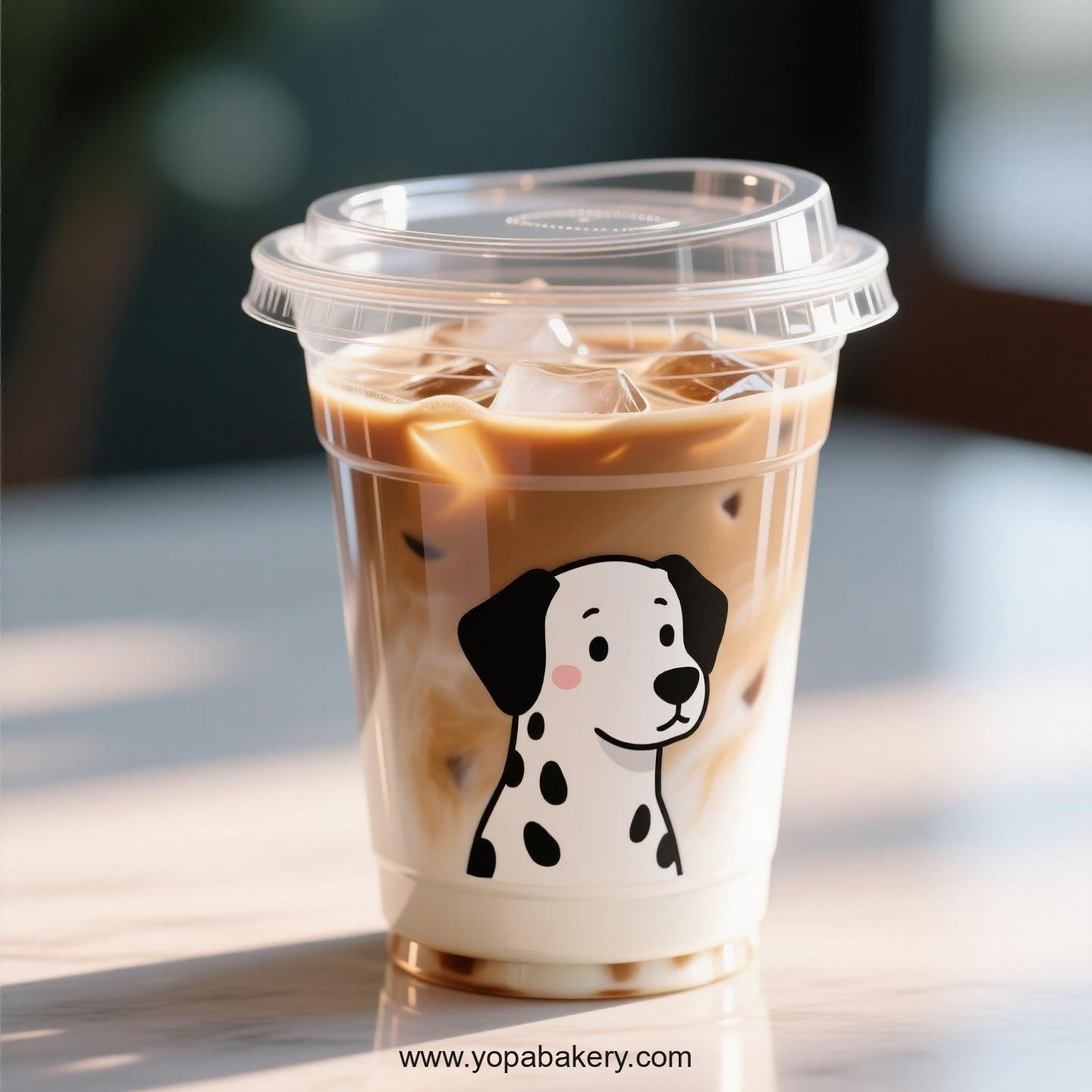
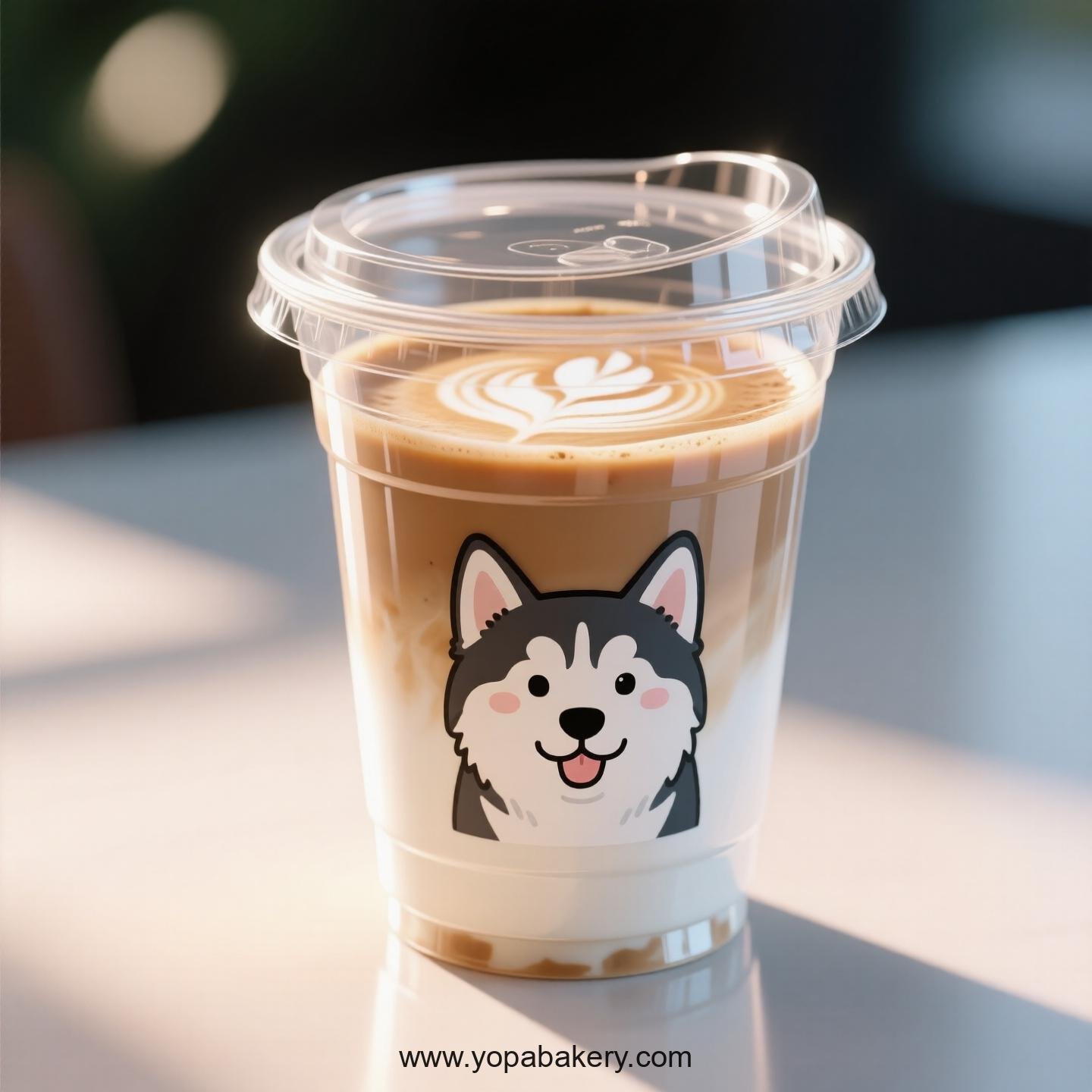
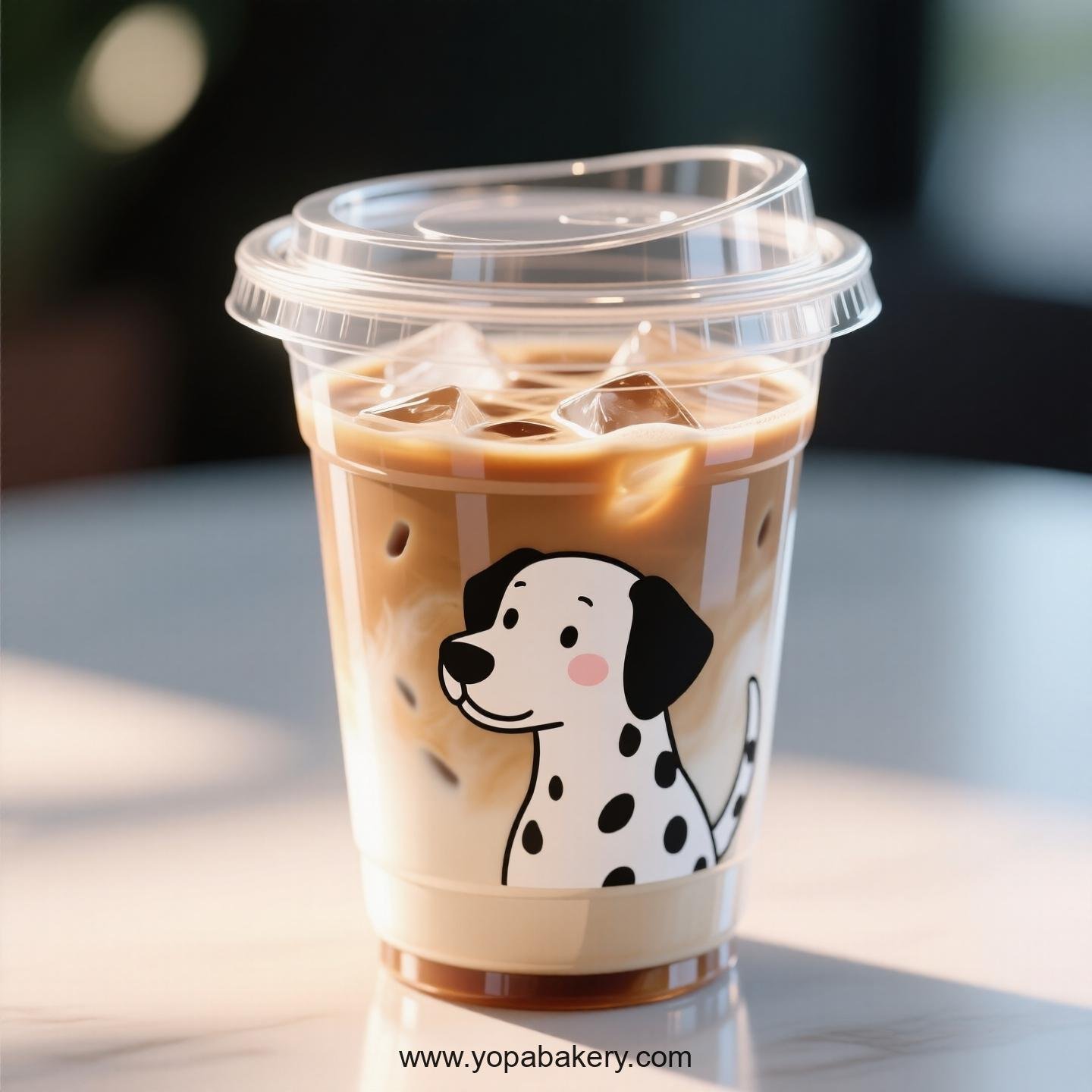
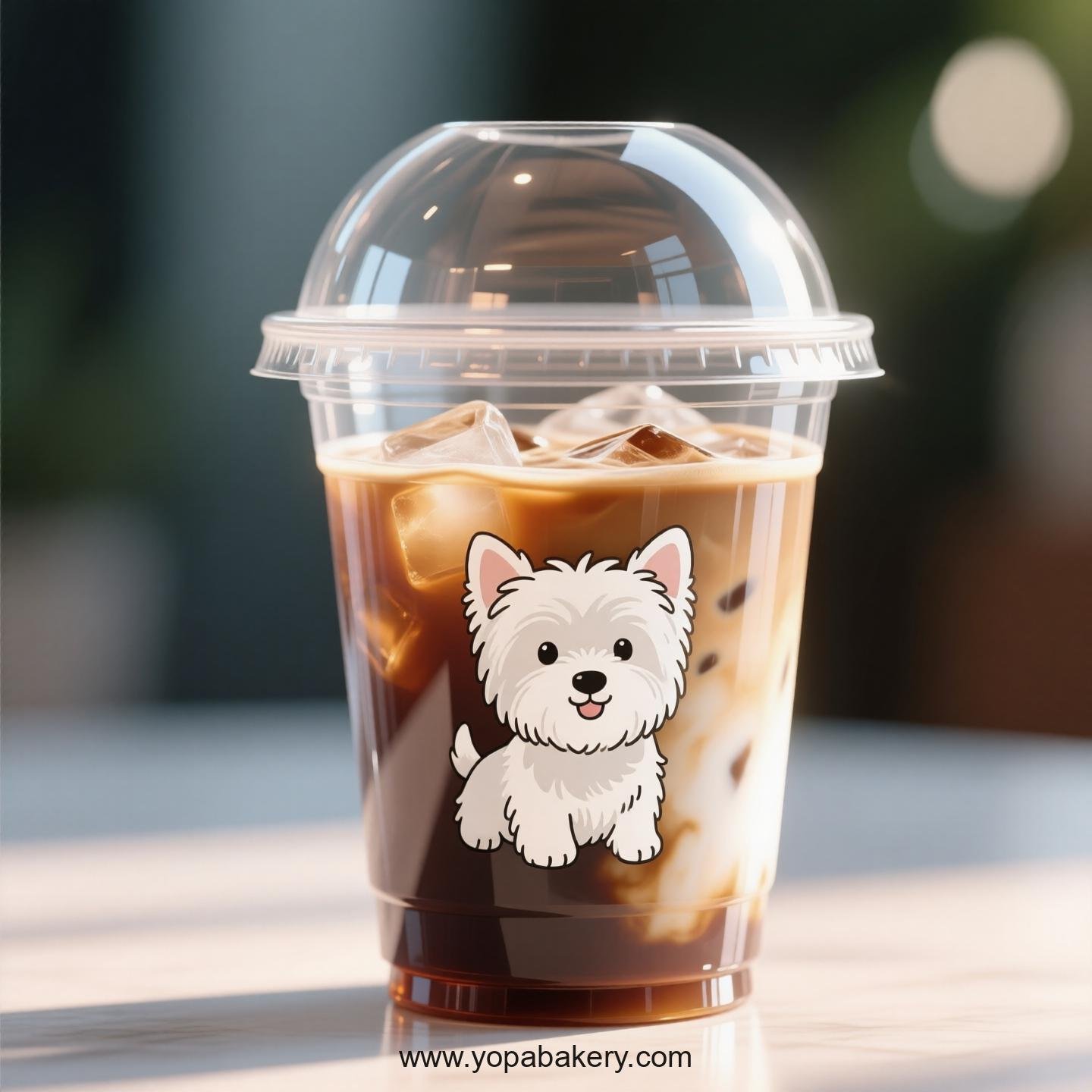
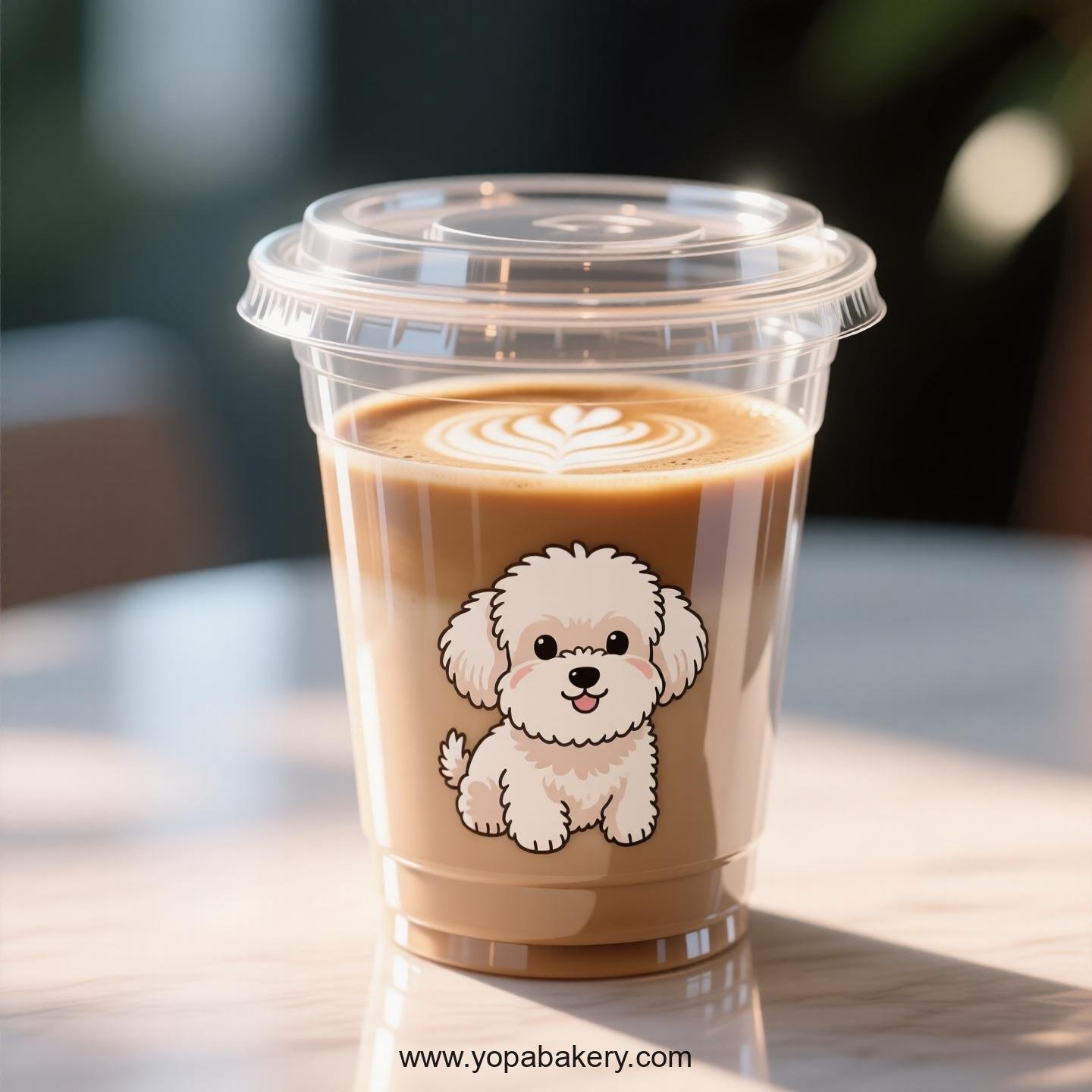
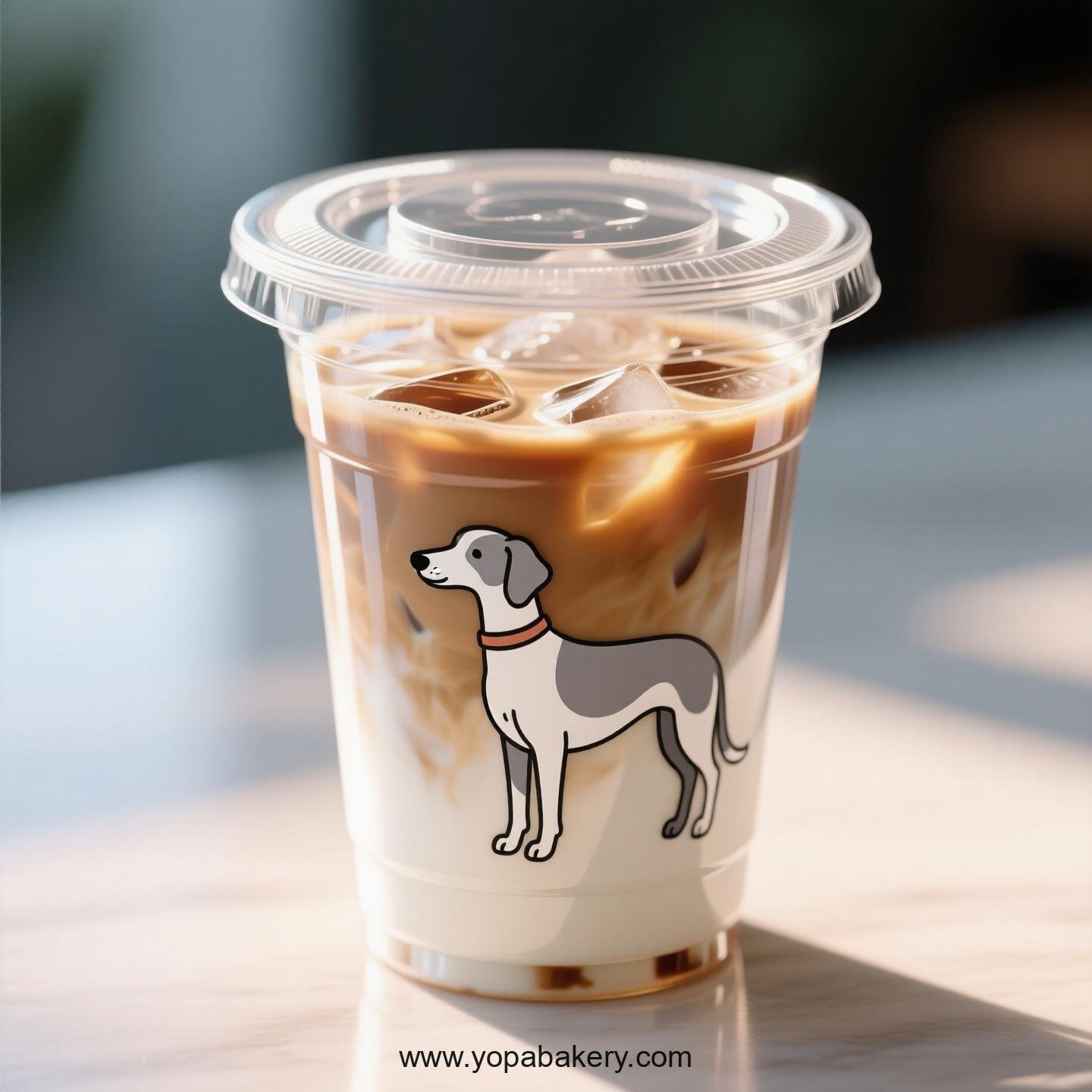
Visual consistency builds immediate recognition. Develop a brand style guide covering logos, color palettes, fonts, and interior design motifs. For packaging, invest in custom solutions that reinforce your theme—think bespoke cake boxes adorned with your signature motif or disposable coffee cups featuring subtle branding that evokes warmth.
Suppliers like YoPaBakery offer tailored options such as custom cake boxes and treat boxes, which help maintain a unified unboxing experience. Another bakery chain ensured every treat box and non-woven bag matched their original shop’s aesthetic, preventing customers from feeling a disconnect. These elements create a seamless brand touchpoint, bridging the physical gap between locations.
Implement Operational Checklists
To embed brand identity into daily operations, create detailed checklists for recipes, portion sizes, and service protocols. Train new staff rigorously on these, using video demonstrations from your flagship store. One effective tactic is cross-training: Rotate original location employees to the new site for the first month, infusing the space with authentic energy.
Monitor compliance through weekly audits, scoring locations on brand adherence metrics like packaging uniformity and customer greeting scripts. This systematic approach, adopted by a growing bakery network, reduced identity drift by 40% in the first year, as measured by customer feedback.
Key Strategies for Menu and Supplier Consistency
Maintaining menu fidelity prevents brand erosion. Here’s a numbered list of proven strategies:
- Source identical ingredients from vetted suppliers, negotiating bulk contracts to ensure quality parity.
- Test recipes in a controlled environment mimicking the new location’s conditions, such as altitude or humidity.
- Limit menu expansions initially, focusing on 80% core offerings to prioritize perfection.
- Partner with reliable packaging providers for uniform disposable coffee cups and non-woven bags, reinforcing your eco-conscious image if applicable.
- Track supplier performance quarterly, switching only after thorough vetting to avoid disruptions.
These steps, when followed diligently, create a menu that feels unmistakably yours, no matter the address.
Leverage Technology for Brand Monitoring
Digital tools streamline oversight. Implement point-of-sale systems that flag deviations in popular items or pricing. Customer relationship management software captures feedback in real-time, alerting you to identity slips like inconsistent packaging complaints.
A savvy owner used geofenced social media campaigns to compare engagement between locations, adjusting store layouts based on data. Integrating these technologies ensures proactive maintenance of your brand’s narrative.
Branding Consistency Checklist
Below is a table outlining essential checkpoints for your expansion:
| Category | Original Location Standard | New Location Verification | Frequency |
|---|---|---|---|
| Packaging | Custom cake boxes with logo emboss | Sample batch approval | Monthly |
| Menu Items | Exact recipe replication | Taste panel sign-off | Weekly |
| Staff Uniforms | Branded aprons in earth tones | Photo audit | Bi-weekly |
| Store Ambiance | Warm lighting, wood accents | On-site inspection | Launch + Quarterly |
| Customer Service | Personalized greetings | Mystery shopper | Monthly |
This table serves as a quick reference, adaptable to your specific needs. Bakery owners who used similar frameworks reported sustained customer retention rates above 85% post-expansion.
Real-World Case Insights
Consider a mid-sized bakery that opened a second urban outpost. They faced initial backlash over perceived staleness in pastries but rebounded by mandating weekly recipe refreshes and unified treat box designs. Another rural-to-city expander preserved identity through “brand immersion weeks,” where new staff shadowed originals exclusively.
These cases highlight that challenges like local taste preferences are surmountable with data-driven tweaks that don’t alter the core. Suppliers like YoPaBakery, with their range of disposable coffee cups and non-woven bags, played a pivotal role in one instance, providing cost-effective customization that scaled effortlessly.
Cultivate Community Ties Locally
While standardizing internals, foster unique local connections without diluting the brand. Host grand opening events mirroring your original’s style—live baking demos or loyalty card launches. Engage via neighborhood partnerships, like supplying treats for local events in branded packaging.
This balanced approach builds loyalty while reinforcing global brand coherence, as evidenced by a bakery duo that grew community involvement 30% without menu changes.
In conclusion, opening a second bakery demands vigilance in preserving your brand’s soul through meticulous planning, standardization, and monitoring. By prioritizing core elements, leveraging tools like checklists and supplier partnerships, and learning from iterative experiences, you can expand confidently. Your original identity not only survives but thrives, attracting repeat patrons to both locations and setting the stage for further growth.
Last Updated on 2026-04-09 by YOPABakery
Contact Us for Guest Posts or Premium Bakery Supplies
At YoPaBakery, we provide premium packaging and share inspiring stories from the artisan bakery scene across America.
Interested in contributing? Visit our Write For Us page for guest posting opportunities.
If you manage an outstanding bakery or cafe and want a featured profile, we’d love to partner with you! From custom cake boxes and cupcake carriers to eco-friendly coffee cups, we simplify your procurement with high-quality, reliable solutions.
Contact us today to discuss features, wholesale options, or customized OEM solutions. Let’s collaborate to showcase your delicious masterpieces!