Table of Contents
For a successful bakery owner, franchising represents a strategic pivot from organic growth to scalable expansion. When your bakery thrives locally with consistent customer loyalty and strong revenue streams, replicating that success across multiple locations without bearing the full financial burden becomes essential. Franchising allows you to license your proven business model, recipes, and branding to operators in new markets, generating passive income through royalties and fees. This approach not only accelerates growth but also mitigates risks associated with direct ownership of additional outlets.
Scalability Without Proportional Capital Outlay
One primary advantage lies in rapid geographical expansion. Instead of investing millions in new builds, equipment, and staffing for each site, franchising shifts much of that capital requirement to franchisees. They fund site development and operations, while you receive upfront franchise fees—typically ranging from $20,000 to $50,000 per unit—plus ongoing royalties of 4-8% of gross sales. This model has enabled many bakery owners to grow from one outlet to dozens within a few years.
Consider a mid-sized bakery that saturated its urban market. By franchising, it opened 15 locations in neighboring states within three years, tripling revenue without dipping into its core reserves. The key was selecting franchisees with local market knowledge, ensuring quicker adaptation than company-owned expansions.
Maintaining Brand Consistency and Quality Control
Franchising enforces uniformity through detailed operations manuals covering everything from dough mixing ratios to display aesthetics. This standardization protects your brand’s reputation, as non-compliance triggers retraining or termination clauses. Bakery franchises succeed by mandating supplier lists for ingredients and packaging, ensuring every outlet delivers the identical fresh-baked aroma and visual appeal customers expect.
For instance, a bakery specializing in artisanal pastries used franchising contracts to require custom cake boxes and treat boxes from vetted suppliers like YoPaBakery. This ensured professional, on-brand packaging across all sites, enhancing unboxing experiences and social media shareability, which boosted overall brand visibility by 40%.
Leveraging Economies of Scale for Cost Savings
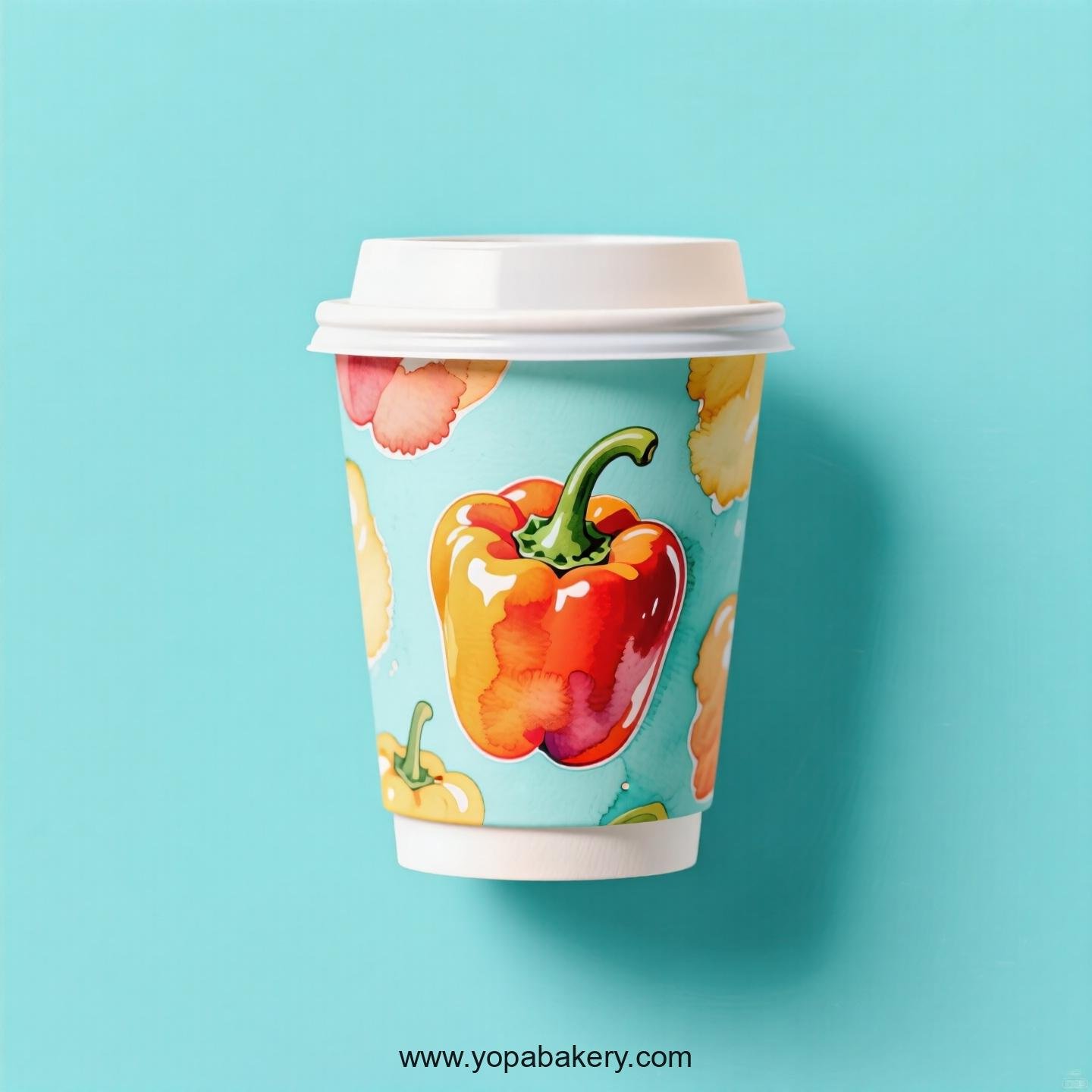
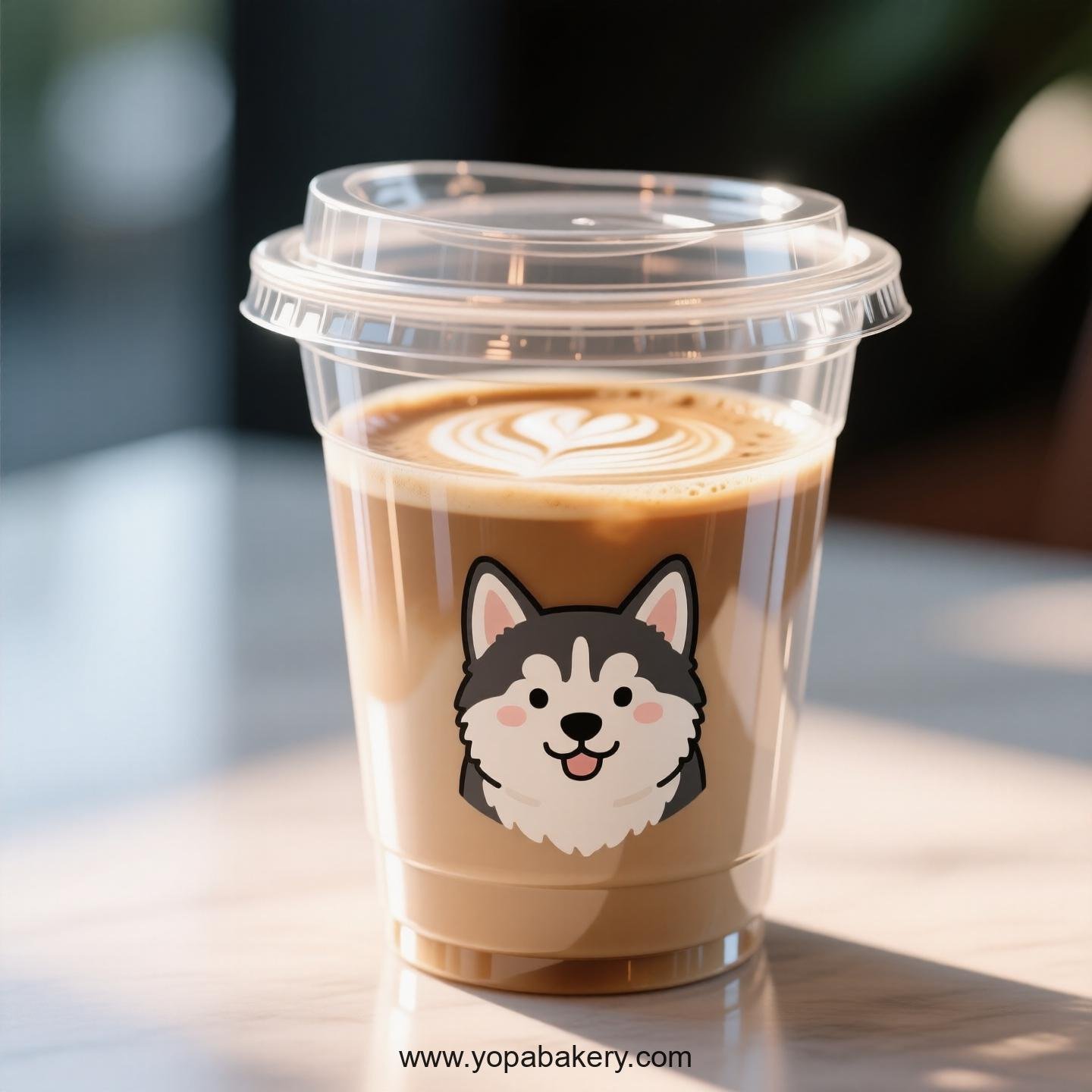
As your franchise network grows, collective purchasing power reduces costs dramatically. Negotiate bulk deals on flour, packaging, and even utilities, passing savings to franchisees while retaining margins on approved vendor markups. Packaging emerges as a critical area: disposable coffee cups, non-woven bags, and custom boxes sourced in volume slash per-unit prices by up to 30%.
Transitioning smoothly, this scalability extends to marketing. Centralized campaigns, funded partly by franchisee contributions, amplify reach cost-effectively compared to individual store promotions.
Practical Steps to Launch a Bakery Franchise
Implementing franchising requires methodical preparation. Begin by auditing your business for replicability: document every process, from inventory management to customer service scripts. Legal compliance is paramount—register your franchise disclosure document (FDD) with relevant authorities, which outlines fees, obligations, and support.
Here are key steps to guide you:
- Refine Your Model: Achieve at least $500,000 in annual revenue and 20-30% profit margins at your flagship location to prove viability.
- Build Infrastructure: Develop training programs, site selection criteria, and a franchisee vetting process including financial net worth checks (minimum $200,000 liquid assets).
- Legal and Financial Setup: Engage franchise attorneys for FDD creation and set competitive fees based on industry benchmarks.
- Recruit and Launch: Market to potential franchisees via trade shows and online platforms; aim for 5-10 initial units.
- Support Ongoing: Provide field support, mystery shopping, and annual conventions to sustain performance.
Following these steps minimizes early pitfalls, with many owners reporting first franchise sales within 12-18 months.
Comparative Analysis of Growth Strategies
To evaluate franchising objectively, compare it against alternatives like company-owned expansion or licensing. The table below highlights key metrics based on industry averages for bakeries:
| Strategy | Initial Investment (per unit) | Annual Revenue Potential | Risk Level | Control Over Operations |
|---|---|---|---|---|
| Company-Owned | $300,000-$500,000 | $800,000 | High | Full |
| Licensing (recipes only) | $10,000-$20,000 | $200,000 (royalties) | Medium | Low |
| Franchising | $30,000-$50,000 (setup) | $1,200,000+ (network) | Medium | High (via contracts) |
This comparison underscores franchising’s superior return on investment, balancing expansion speed with manageable risk.
Real-World Case Insights
A regional bakery chain, facing market saturation, franchised selectively in suburban areas. Within two years, 12 franchises contributed 60% of total revenue, with standardized non-woven bags for takeout orders reinforcing brand identity. Another owner targeted coffee shop hybrids, bundling pastry franchises with disposable coffee cup requirements from suppliers like YoPaBakery, achieving 25% year-over-year growth.
Challenges arose, such as a franchisee struggling with local regulations, resolved through headquarters-provided compliance templates. These examples illustrate practical resilience.
Mitigating Common Risks
Franchising isn’t risk-free—poor franchisee selection can dilute your brand. Counter this with rigorous due diligence: credit checks, reference calls, and trial operations. Economic downturns test resilience; build buffers by diversifying menu offerings like grab-and-go items in custom treat boxes.
Intellectual property protection via trademarks safeguards your unique selling points, from signature glazes to packaging designs.
In summary, franchising empowers successful bakery owners to transform a thriving local operation into a national powerhouse. By providing proven systems, scalable economics, and steady royalty streams, it unlocks growth potential while preserving your core focus on innovation. With careful planning and execution, this strategy not only multiplies revenue but also cements your legacy in the competitive bakery landscape.
Last Updated on 2026-04-12 by YOPABakery
Contact Us for Guest Posts or Premium Bakery Supplies
At YoPaBakery, we provide premium packaging and share inspiring stories from the artisan bakery scene across America.
Interested in contributing? Visit our Write For Us page for guest posting opportunities.
If you manage an outstanding bakery or cafe and want a featured profile, we’d love to partner with you! From custom cake boxes and cupcake carriers to eco-friendly coffee cups, we simplify your procurement with high-quality, reliable solutions.
Contact us today to discuss features, wholesale options, or customized OEM solutions. Let’s collaborate to showcase your delicious masterpieces!