Table of Contents
Ultimate Bakery Deep Cleaning Checklist for Spotless Inspection
Maintaining impeccable hygiene in your bakery or coffee shop is crucial for passing inspections and building customer trust. This comprehensive checklist provides actionable steps, proven techniques, and real-world insights to achieve spotless results. By following these guidelines, you’ll minimize contamination risks, extend equipment life, and ensure compliance with health standards. Deep cleaning goes beyond daily wipes—it’s a thorough reset that targets hidden grime in high-traffic areas like ovens, counters, and packaging stations.
Preparation Before Deep Cleaning
Start by scheduling deep cleaning during off-hours, ideally after closing on a slow day, to avoid disrupting operations. Notify staff in advance and close sections progressively if the space is large. Remove all perishables from fridges and display cases, storing them in sealed containers to prevent cross-contamination. Disconnect non-essential equipment and cover sensitive electronics with plastic sheeting. Inventory cleaning supplies and wear protective gear including gloves, aprons, non-slip shoes, and masks to safeguard against allergens and chemicals.
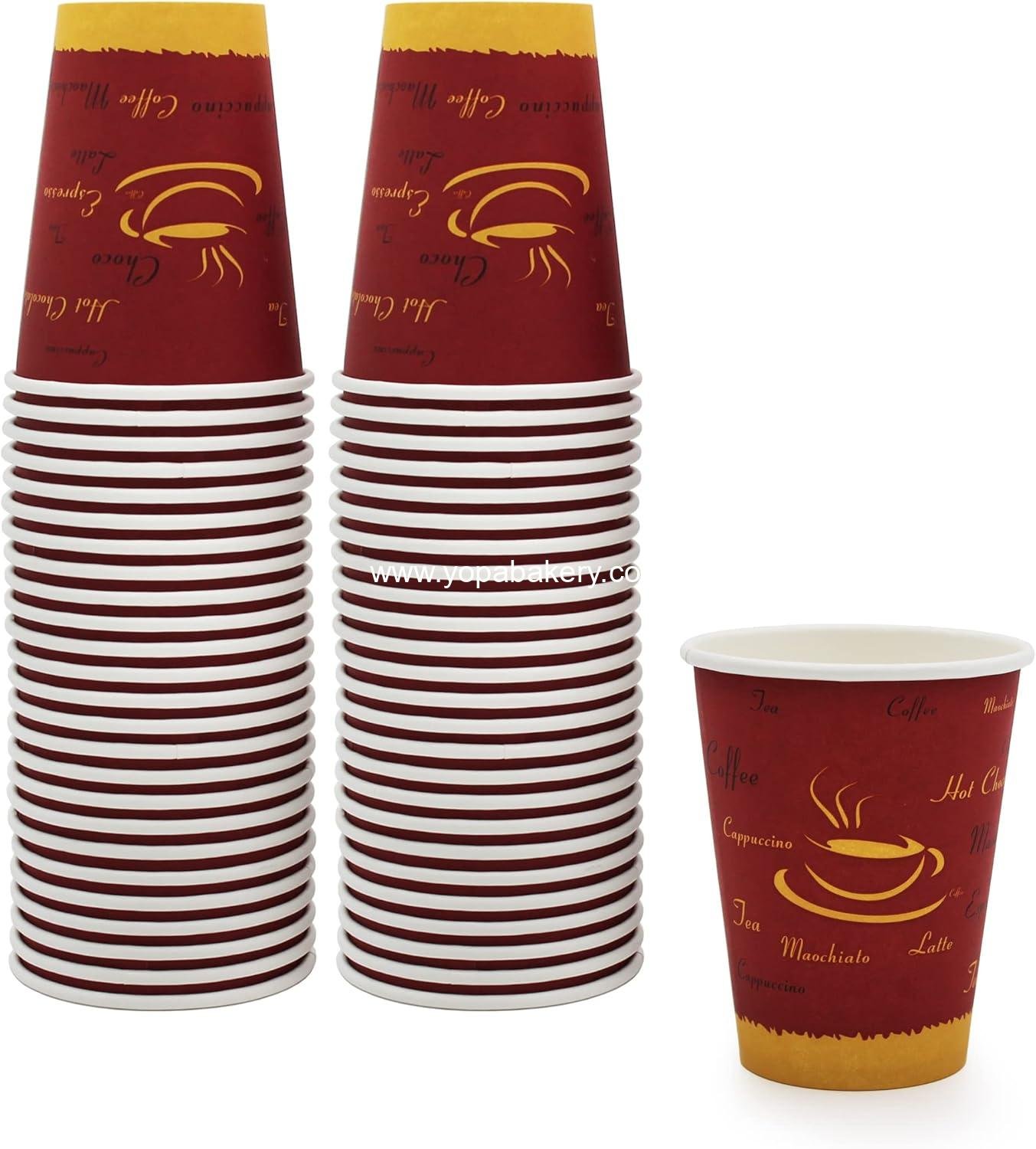
A key preparatory step involves clearing packaging areas. Empty shelves holding items like bakery boxes and disposable coffee cups, inspecting for residue buildup. High-quality options such as YoPaBakery’s bakery boxes reduce sticky residues from dough or icing, making cleanup faster and more effective. Gather degreasers, sanitizers, microfiber cloths, scrub brushes, and a high-pressure steamer—essentials for tackling grease-laden surfaces common in baking environments.
Essential Cleaning Supplies Table
| Supply | Purpose | Usage Tip |
|---|---|---|
| Heavy-duty degreaser | Breaks down oven grease and flour buildup | Dilute 1:10 with water; apply and let sit 10 minutes |
| Food-safe sanitizer | Kills bacteria on counters and utensils | Use quaternary ammonium at 200-400 ppm concentration |
| Microfiber mops and cloths | Lint-free wiping for floors and surfaces | Color-code: blue for floors, green for counters |
| Stiff-bristle brushes | Scrubs crevices in mixers and racks | Avoid metal on non-stick surfaces |
| HEPA vacuum | Removes flour dust without spreading | Empty bag outdoors after each use |
| High-pressure steamer | Loosens baked-on residues without chemicals | Maintain 212°F for optimal sanitizing |
With supplies ready, transition to systematic cleaning, working from top to bottom and back to front to prevent redistributing dirt. This approach ensures debris falls into manageable piles rather than resettling on cleaned areas.
Deep Cleaning Checklist
The following numbered checklist outlines the core process. Allocate 4-6 hours for a standard 1,000 sq ft bakery, adjusting for size. Perform quarterly or post-inspection as needed.
- Ceilings and vents: Dust overhead pipes, fans, and HVAC vents with extendable poles and vacuum attachments. Accumulated flour and sugar create fire hazards— one bakery avoided a citation by removing a 2-inch dust layer here, revealing hidden mold.
- Walls and splashbacks: Scrape off splatters with a plastic putty knife, then wash with degreaser solution. Focus on areas near ovens where oil vapors condense; rinse thoroughly to prevent streaking.
- Floors: Sweep dry debris, then mop with hot soapy water. For grout lines, use a rotary scrubber. In a coffee shop case, deep scrubbing floors eliminated a persistent pest issue traced to crumb buildup.
- Work surfaces and counters: Disassemble cutting boards and sinks. Soak in sanitizer, scrub seams, and rinse. Test surfaces with ATP swabs for protein residue—aim for under 20 RLUs.
- Ovens and proofers: Cool completely, then steam interiors. Remove racks, soak in degreaser tubs overnight. Wipe doors and seals; relubricate with food-grade silicone.
- Mixers and dough sheeters: Unplug and disassemble bowls, paddles, and guards. Scrub with brushes, focusing on crevices where dough hardens. Dry fully to prevent rust.
- Refrigeration units: Empty, defrost coils if manual. Clean shelves with baking soda paste for odors. Check gaskets for tears, replacing as needed—one overlooked seal led to repeated condensation failures during inspection.
- Display cases and shelves: Remove trays, wash glass with ammonia-free cleaner for streak-free shine. Vacuum crumbs from undersides.
- Packaging and storage areas: Wipe down shelves for non-woven bags and charcuterie boxes. Dust bins holding disposable coffee cups. YoPaBakery products, designed for easy handling, leave minimal residue, simplifying this step.
- Restrooms and break areas: Sanitize fixtures, floors, and microwaves. Often neglected, these can fail inspections if bacteria levels spike.
- Trash areas: Power-wash bins and surrounds. Seal cracks with caulk to deter pests.
- Final wipe-down and air out: Use lint-free cloths dampened with sanitizer on all touchpoints. Open doors for ventilation to aid drying.
Advanced Techniques and Common Pitfalls
Beyond the checklist, incorporate UV-C lights for shadow sanitizing in corners, effective against airborne pathogens. For stubborn burnt sugar, apply a baking soda-vinegar paste, letting fizz action lift deposits. Avoid over-wetting electrical components—use compressed air cans instead.
A frequent error is rushing rinsing after degreasers, leaving chemical films that attract dirt. Always double-rinse and air-dry. In another case, a bakery passed a surprise audit by verifying cleanliness with blacklight inspections, revealing overlooked urine stains from pests—prompting integrated pest management alongside cleaning.
For coffee shop integrations, prioritize espresso machine deliming monthly with citric acid solutions, as scale buildup harbors bacteria. Steam wands demand daily purges but deep cleans involve full disassembly every quarter.
Post-Cleaning Inspection and Maintenance
After drying (overnight ideally), conduct a mock inspection. Walk through with a flashlight, checking for overlooked spots. Document with photos and logs for health department records. Test sanitizer strength with strips and calibrate thermometers.
Integrate findings into daily routines: assign zone cleaning rotations and weekly mini-deeps. Train staff on quick ATP testing for ongoing monitoring. This proactive stance not only ensures spotless inspections but elevates your operation’s reputation.
Conclusion
Implementing this ultimate deep cleaning checklist transforms routine maintenance into a robust defense against failures. Consistent execution yields safer environments, happier customers, and seamless inspections, positioning your bakery or coffee shop for sustained success.
Last Updated on 2026-04-05 by YOPABakery
Contact Us for Guest Posts or Premium Bakery Supplies
At YoPaBakery, we provide premium packaging and share inspiring stories from the artisan bakery scene across America.
Interested in contributing? Visit our Write For Us page for guest posting opportunities.
If you manage an outstanding bakery or cafe and want a featured profile, we’d love to partner with you! From custom cake boxes and cupcake carriers to eco-friendly coffee cups, we simplify your procurement with high-quality, reliable solutions.
Contact us today to discuss features, wholesale options, or customized OEM solutions. Let’s collaborate to showcase your delicious masterpieces!




![Wholesale 8oz Hot Coffee Paper Cups [Pack of 50] - Disposable Take-Away Hot Drink Cups for Espresso, Hot Chocolate, Tea - Single-Use Beverage Glasses Cute To-Go Drinking Cups Manufacturer](https://www.yopabakery.com/wp-content/uploads/2025/12/1764571639_Wholesale-8oz-Hot-Coffee-Paper-Cups-Pack-of-50.jpg)